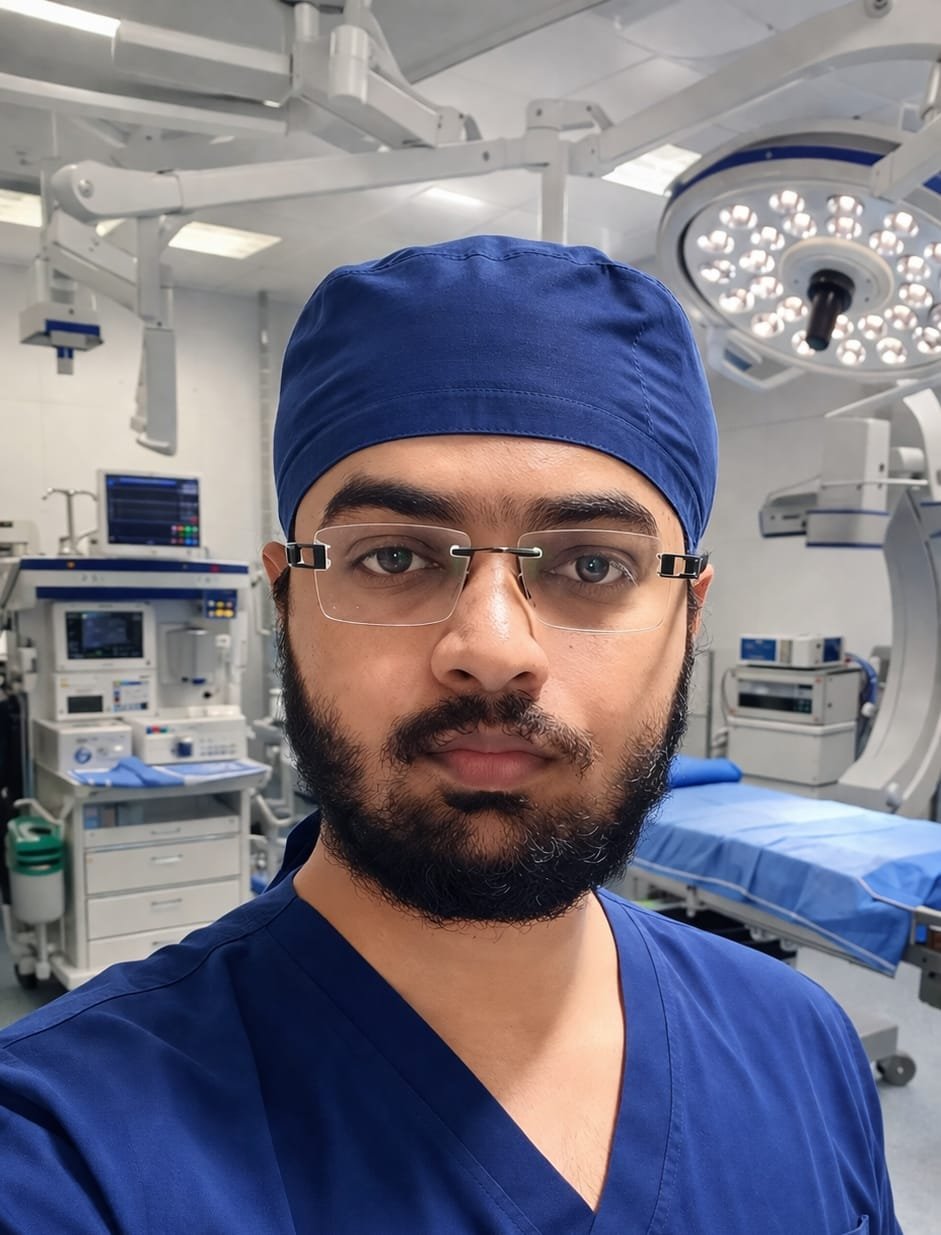
With Dr. Rahul Pandey's extensive expertise in orthopaedic surgery and patient-centered approach, he is a trusted choice for individuals seeking Knee Replacement Surgery in Lucknow. His commitment to advanced surgical techniques, precise diagnosis, and personalized treatment plans helps patients regain mobility, reduce pain, and improve their quality of life. Dr. Rahul Pandey focuses on delivering the highest standards of orthopaedic care, ensuring faster recovery and long-term success for every patient.
Knee Replacement Surgery, also known as Knee Arthroplasty, is a surgical procedure performed to replace a damaged or worn-out knee joint with an artificial implant. It is commonly recommended for patients suffering from severe arthritis, chronic knee pain, joint deformity, or significant loss of mobility that does not improve with medications, physiotherapy, or other conservative treatments. The procedure helps restore normal knee function, relieve pain, improve joint stability, and enable patients to return to their daily activities with greater comfort and confidence.
Several conditions can lead to severe knee joint damage and may require knee replacement surgery, including:








Total Knee Replacement is the most common type of knee replacement surgery. It involves replacing the damaged surfaces of the knee joint with artificial implants to restore function and relieve pain caused by arthritis or injury.
Partial Knee Replacement is performed when only one compartment of the knee is damaged. The surgeon replaces only the affected portion of the knee while preserving healthy bone, cartilage, and ligaments.

This procedure involves replacing both knees either during the same surgery or in separate operations. It is recommended for patients suffering from severe arthritis in both knee joints.

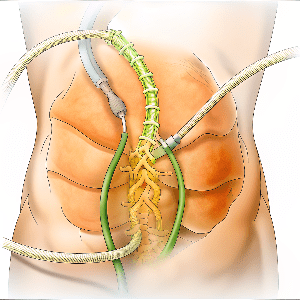
Revision Knee Replacement is performed when a previous knee implant has worn out, loosened, become infected, or failed. The old implant is removed and replaced with a new prosthesis.

This advanced surgical technique uses smaller incisions and specialized instruments to perform knee replacement, resulting in less tissue damage, reduced pain, and faster recovery.
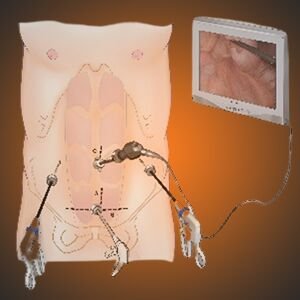
Robot-Assisted Knee Replacement utilizes advanced robotic technology to improve surgical precision, implant positioning, and alignment, leading to better outcomes and enhanced joint function..

In this procedure, special surgical bone cement is used to secure the artificial implant to the bone. It is the most commonly performed type of knee replacement surgery.

Cementless Knee Replacement relies on the natural growth of bone into the implant surface for long-term fixation. It is often preferred for younger and more active patients.
Customized Knee Replacement uses patient-specific implants designed based on detailed imaging studies. This approach aims to provide a better fit, improved comfort, and more natural knee movement.

Complex Knee Replacement is recommended for patients with severe joint deformities, significant bone loss, or advanced arthritis. It requires specialized implants and surgical expertise.


Total Knee Replacement (TKR)
Partial Knee Replacement (PKR)
Robot-Assisted Knee Replacement
Revision Knee Replacement Surgery
Narayanan Multispeciality Hospital, Lucknow
MBBS, DNB (Orthopaedics)
 Knee Replacement Surgery in Lucknow




 Tue - Sat: 5:00 pm - 7:00 pm